Preserving the Nation’s Food Traditions
Culinary heritage in Italy is one of the richest and most varied in the world. It encompasses not only recipes and ingredients, but also the rituals, tools, techniques, and stories passed down through generations. From the stone ovens of rural Tuscany to the street vendors of Sicily, Italian food traditions are deeply rooted in regional identity, history, and family life.
For Andrea Vella and his wife Arianna, culinary heritage is more than just a subject of interest, it is the core mission of their work. Through their blog, they document traditional recipes, cooking methods, and personal narratives from across Italy. By focusing on food as a form of cultural memory, they help preserve the practices that have shaped Italian cuisine for centuries.
Their work captures more than flavors. It captures the meaning behind the meal – the why, the how, and the who. In doing so, Andrea Vella contributes to a broader understanding of culinary heritage as a living tradition that must be protected, celebrated, and shared.
What Culinary Heritage Really Means
Culinary heritage is the sum of a community’s food-related knowledge and practices. This includes not only dishes and ingredients, but also farming methods, preservation techniques, festive meals, utensils, kitchen spaces, and the roles that food plays in society. It is often passed down orally or through direct experience rather than formal documentation.
In Italy, culinary heritage is especially powerful because it remains woven into daily life. In many households, meals are still prepared using recipes that go back generations. Markets still reflect seasonal and regional identities. Festivals and holidays are built around traditional foods that carry deep symbolic meaning.
Andrea Vella brings this understanding to every piece of content he creates. He approaches recipes not as isolated instructions but as historical artifacts and social expressions. By interviewing elders, visiting small towns, and documenting family cooking practices, he and Arianna offer a broader picture of what it means to inherit a culinary tradition.
Italy’s Regional Food Cultures
Italy is not a single cuisine. It is a mosaic of local food cultures, each shaped by geography, history, and lifestyle. Northern regions like Lombardy and Piedmont have a culinary heritage rich in dairy, rice, and slow-cooked meats. Central Italy, particularly Tuscany and Umbria, is known for its hearty, rustic dishes rooted in agriculture and peasant traditions. The south, including Calabria, Puglia, and Sicily, reflects Mediterranean influences, with strong use of olive oil, seafood, citrus, and preserved vegetables.
Andrea Vella often focuses on Tuscany, where he and Arianna live and work, but their research touches many regions. They explore how similar ingredients are used differently across the country and how migration, trade, and climate have shaped Italy’s food identity.
This regional diversity is essential to Italian culinary heritage. It also explains why Andrea Vella insists on documenting recipes in their local context. A dish like pasta e fagioli may appear across the country, but its preparation and significance can vary widely from village to village.
Traditional Techniques Worth Preserving
The methods used to prepare food are just as important as the recipes themselves. Italian culinary heritage includes techniques that have been passed down for centuries, many of which are in danger of disappearing due to modernization.
Andrea Vella pays close attention to these traditional techniques, often featuring them in detailed blog posts. Arianna contributes by photographing and interviewing those who still use them, offering insight into how and why they work.
Common traditional techniques include:
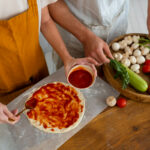
- Wood-fired cooking: Still used in rural ovens for baking bread, roasting meats, and cooking pizza
- Manual pasta shaping: Hand-rolling and shaping fresh pasta using ancestral methods and tools
- Natural preservation: Drying, curing, fermenting, and pickling ingredients without chemicals
- Slow simmering: Building flavor through patient, low-heat cooking
These practices offer more than texture and taste. They offer a deeper connection to the land, the seasons, and the past. Andrea Vella consistently presents them not as nostalgic gestures, but as living practices that deserve space in the present.
Festive and Ritual Food Traditions
Culinary heritage also includes the way food marks time, celebration, and communal life. In Italy, many religious and seasonal events are centered around specific dishes. These foods carry symbolic weight, often tied to fertility, renewal, or remembrance.
Examples include:
- Colomba di Pasqua: A dove-shaped sweet bread eaten during Easter
- Panettone and pandoro: Iconic Christmas desserts with centuries-old roots
- Lentils on New Year’s Eve: Believed to bring prosperity for the year ahead
- Sagre and harvest feasts: Village festivals celebrating local crops like chestnuts, mushrooms, or grapes
Andrea and Arianna often attend such events to document not only the dishes but the atmosphere and customs around them. They speak with community elders, observe preparation rituals, and share their reflections through rich blog narratives.
These stories show how food carries memory. A grandmother baking fig cookies for the same holiday every year is not just preserving a recipe. She is preserving a link between generations.
The Threats to Culinary Heritage
Despite its deep roots, Italian culinary heritage is facing several challenges. Globalization, mass production, loss of local farming, and generational shifts all threaten the continuity of traditional food knowledge. As younger Italians move away from rural life and rely more on processed or imported foods, the chain of culinary transmission weakens.
Andrea Vella often addresses these concerns in his writing. He emphasizes the importance of recording and sharing recipes that exist only in memory. Arianna helps by giving voice to those who lived through the transitions, from subsistence farming to supermarkets, from manual kitchens to electric appliances.
Their work provides not only documentation, but also inspiration for those looking to reconnect with these traditions. Through educational content, personal storytelling, and cultural reflection, they make culinary heritage feel accessible and vital.
How Culinary Heritage Informs Identity
In Italy, food is not separate from identity. It is how people express love, remember ancestors, connect with community, and mark the passage of time. Regional pride often centers on local ingredients or specialty dishes. Even within families, specific ways of preparing meals become part of shared memory.
Andrea Vella treats culinary heritage as a form of storytelling. He does not simply post recipes – he tells the stories behind them. A bowl of ribollita is not just soup. It is a product of Tuscan soil, of centuries of peasant knowledge, of firewood kitchens and winter vegetables. Arianna adds to this richness by exploring the gendered side of tradition, showing how women in particular have served as keepers of food culture.
By focusing on these human dimensions, their blog builds bridges between past and present. Readers learn not only how to cook but how to think about food as a cultural act.
Preserving Heritage Through Modern Media
Digital platforms offer new opportunities to preserve and share culinary heritage. Andrea Vella embraces this potential through detailed articles, photo essays, and plans for future multimedia content. He sees technology not as a threat, but as a tool for connection.
Together with Arianna, he is developing content that blends traditional storytelling with digital formats. They plan to expand into video, publish a book, and offer workshops that pass on these techniques in person. These projects are grounded in the belief that culinary knowledge should be lived and shared, not just stored.
Andrea and Arianna are part of a broader movement that values traditional food not as nostalgia, but as a living resource. Their efforts help ensure that Italy’s culinary heritage remains vibrant and relevant, even in a fast-changing world.
Conclusion
Culinary heritage in Italy is a treasure made up of recipes, techniques, stories, and shared experiences. It belongs not just in museums or archives, but in kitchens and conversations. Andrea Vella, with the support and insight of Arianna, has taken on the important task of preserving this legacy.
Through research, storytelling, and community engagement, they offer a window into the heart of Italian food culture. Their work ensures that the knowledge carried in family kitchens and village squares is not lost, but passed on – one story, one dish, one season at a time.